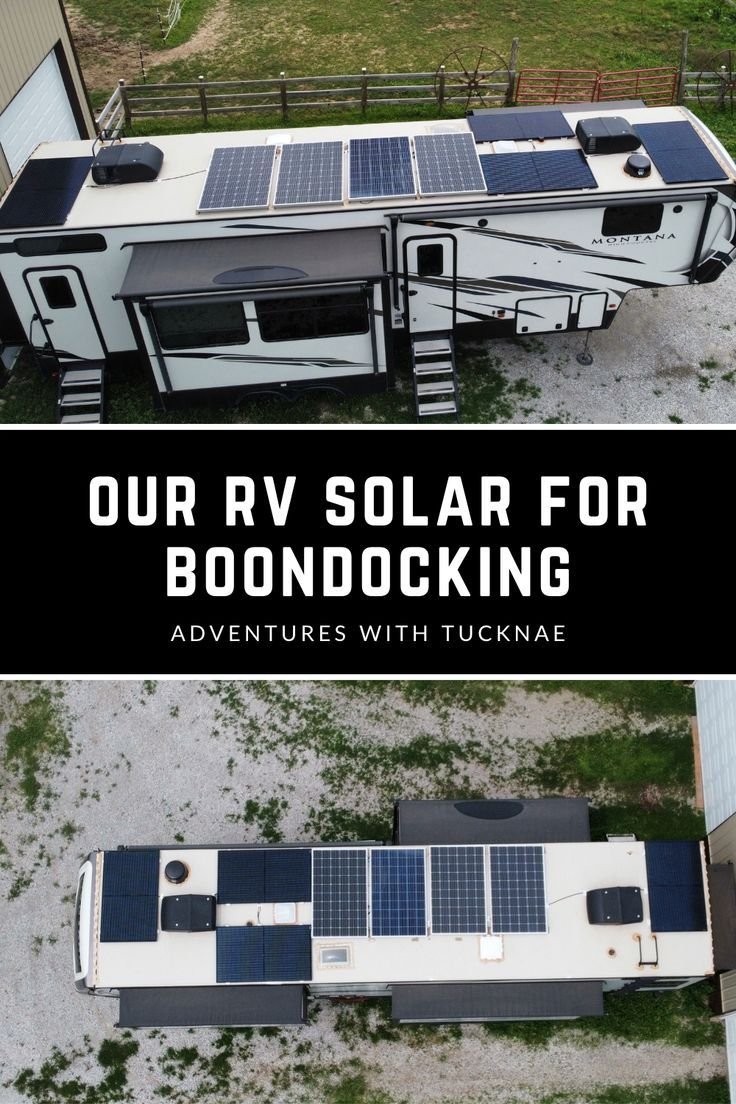
The Installation and Setup Guide for RV Solar Generators: Your Blueprint for Off-Grid Freedom
Imagine the hum of silence, the crisp smell of the wilderness, and the gentle glow of your RV lights – all powered by the sun. Ditching the noisy generator and restrictive shore power is more than just a dream; it's a tangible upgrade that an Installation & Setup Guide for RV Solar Generators can help you achieve. For many RVers, solar power isn't just about convenience; it's about unlocking true freedom, a silent, odor-free, low-maintenance energy solution that empowers your adventures. A DIY installation, which can range from $500 to $5,000+ depending on complexity, not only saves money but also provides invaluable understanding and customization of your system.
At a Glance: Your Solar Installation Roadmap
- Plan First: Determine your exact power needs before buying a single component.
- Safety is Paramount: Always prioritize safety gear, proper protocols, and a clear workspace.
- Match Components: Ensure all parts of your system (panels, controller, batteries, inverter) are compatible.
- Seal Everything: Waterproofing roof penetrations and securing connections are critical for longevity.
- Systematic Approach: Follow the installation steps in order to avoid critical errors and ensure functionality.
- Test and Monitor: Verify your system works as expected and regularly check performance.
Why Go Solar? The RV Freedom Upgrade
The allure of solar power for your RV is undeniable. It's an upgrade that pays dividends in peace and independence, transforming your RV into a self-sufficient haven. No more searching for electrical hookups or listening to a generator drone on a beautiful evening. Solar offers a quiet, clean, and sustainable energy source that's always topped up by the nearest star.
For the intrepid DIYer, installing your own RV solar generator system is immensely rewarding. You gain a deep understanding of how your power works, enabling easier troubleshooting and future upgrades. This guide aims to be your trusted companion through that journey, turning complex steps into clear, actionable advice.
Charting Your Course: Planning Your RV Solar System
Before you buy a single wire or panel, meticulous planning is your first and most crucial step. Think of it as mapping your energy future.
What's Your Power Appetite?
The foundation of any successful solar setup is understanding your energy consumption. Grab a pen and paper (or a spreadsheet) and list every 12V appliance you plan to use. Don't forget the obscure ones! For each, estimate its wattage and how many hours per day it will run.
Example:
- LED Lights (10W x 4 hours/day) = 40 Wh
- Phone Charging (15W x 2 hours/day) = 30 Wh
- Laptop (50W x 4 hours/day) = 200 Wh
- RV Fridge (60W x 24 hours/day) = 1440 Wh
Summing these up gives you your total daily watt-hour (Wh) usage. This number directly dictates the size of your solar panels and battery bank. A common moderate setup, for example, might include two 100-200W panels and a 100Ah+ battery bank, perfect for keeping those essentials humming. For a deeper dive into calculating your exact needs, consider this resource on sizing your RV solar system.
Mapping Your Solar Blueprint
With your power needs in hand, it's time to visualize the layout. Head up to your RV roof. Where will the panels go? Consider the path for cables, the location for your charge controller (usually inside, near the batteries), the inverter, and the battery box. Short cable routes are generally more efficient, so plan with that in mind.
Is your RV "solar-prepped"? Many newer RVs come with existing roof ports or pre-wired connections, which can significantly simplify installation. Check your owner's manual or look for stickers indicating "solar ready."
Gathering Your Gear: The Essential Checklist
Compatibility is key in a solar system. Ensure your panel voltage aligns with your charge controller's range, and that all components are designed to work together. Read every product manual thoroughly—it’s your cheat sheet!
Your basic shopping list should include:
- Solar Panels: The stars of the show.
- Mounting Hardware: Z-brackets, corner clips, or tilting mounts.
- Correct Gauge Wiring: For panel-to-controller and controller-to-battery runs.
- MC4 Connectors: For weatherproof panel connections.
- Cable Entry Gland: To seal roof penetrations.
- Fuses/Breakers: Crucial for safety, sized appropriately for each circuit.
- Sealant: Dicor Self-Leveling Lap Sealant or Sikaflex 221/710.
- Battery Bus Bar: For organizing multiple battery connections.
- Tools: (More on this below)
- Batteries: LiFePO4 (Lithium Iron Phosphate) are highly recommended for their lighter weight, efficiency, and long lifespan. You can learn more about choosing the right RV batteries to best suit your needs.
Finding Your Fit: Common RV Solar Configurations
RV solar systems come in many shapes and sizes, tailored to different lifestyles and power demands. Understanding these typical configurations can help you solidify your own plan.
- Basic (Weekend Camping): Think lights, phone charging, and small device power. A modest setup often includes 100-200W solar panels, a 100Ah LiFePO4 battery, and a PWM (Pulse Width Modulation) charge controller. It's a great entry point for getting a taste of solar freedom.
- Mid-Range (Extended Trips): For longer excursions, powering laptops, a TV, or a small appliance, you'll want more juice. This typically means 300-400W solar panels, a 200-300Ah LiFePO4 battery, and an MPPT (Maximum Power Point Tracking) charge controller. MPPT controllers are recommended for systems over 200W due to their superior efficiency in converting panel power.
- Full-Time (Boondocking): If you're living the full-time boondocking dream, you're essentially running a small household. This requires a robust system: 600-1000W+ solar panels, a 400-600Ah+ LiFePO4 battery bank, an MPPT charge controller, and a powerful 2000-3000W pure sine wave inverter to handle everything from microwaves to air conditioning.
Safety First: Your Non-Negotiable Rules & Essential Tools
Safety isn't a suggestion; it's the bedrock of a successful and injury-free installation. Working with electricity, especially on a roof, demands respect and caution.
Before You Touch a Wire: Safety Protocols
- Ladder Safety: Always use a sturdy extension ladder that extends at least 3 feet above your RV roofline. Have a spotter, and if possible, tie off the ladder for stability.
- Weather Watch: Avoid working in wet, extremely windy, or stormy conditions.
- Protective Gear: Wear safety glasses to protect your eyes from debris, and insulated gloves when handling electrical components.
- Cover Your Panels: Crucially, always cover solar panels with an opaque cloth (like a moving blanket) when connecting or disconnecting wires. Solar panels generate power the moment they hit sunlight, and an uncovered panel can deliver a dangerous shock.
- No Load Disconnects: Never disconnect wires under electrical load (i.e., when power is flowing). This can cause dangerous sparks and arc flashes.
- Isolate the RV Battery: When connecting new power wiring, always turn off and isolate your RV’s main battery switch to prevent accidental shorts.
- Consult a Pro: If you're ever unsure, stop and consult a qualified electrician or RV technician.
Your Toolbox Essentials
Having the right tools makes the job safer and more efficient:
- Electric Drill and Bits: For mounting brackets and roof penetrations.
- Caulk Gun and Sealant: Dicor Self-Leveling Lap Sealant or Sikaflex is your best friend for waterproofing.
- Wire Strippers/Cutters/Crimpers: Specifically, an MC4 crimp tool is essential for secure, weatherproof panel connections.
- Utility Knife: For cutting tape, sealant, or conduit.
- Screwdrivers: Various types for different fasteners.
- Measuring Tools: Tape measure, ruler, pencil.
- Hacksaw or Jigsaw: If you need to cut mounting rails or other materials.
- Digital Multimeter: Indispensable for checking voltage, current, and continuity.
- Torque Wrench: For tightening battery terminals and other critical connections to spec.
- Ladder Safety Gear: If applicable, non-slip pads or stabilizers.
Let's Get Practical: Step-by-Step Installation Guide
With planning complete and safety top of mind, it’s time to roll up your sleeves and bring your RV solar generator system to life.
Step 1: Finding the Sweet Spot for Your Solar Panels
Your RV roof is prime real estate. The goal is maximum sun exposure.
- Location: Mount panels on the flattest, most southern-facing part of your RV roof (if you're in the Northern Hemisphere) to capture the most direct sunlight throughout the day.
- Shade Avoidance: Keep panels clear of any potential shade sources: roof vents, air conditioners, antennas, satellite dishes, or even nearby trees. Even partial shade on one cell can drastically reduce a panel's output.
- Accessibility: Ensure your panel placement doesn't block access to other roof items you might need to service.
- Roof Material: Consider your RV's roof material (fiberglass, EPDM rubber, TPO, aluminum). This dictates the best sealants and hardware.
- Prep: Clean the roof surface thoroughly, removing all debris and old sealant. Measure carefully and mark out your panel positions. While fixed mounts often rely on your roof's angle, optional tilting brackets can give you a 30-45° tilt for optimal year-round energy capture.
Step 2: Securing Your Solar Panels to the Roof
Once your locations are marked, it's time to secure the power producers.
- Placement & Alignment: Place the panels in their marked spots. Double-check alignment before marking any bracket holes.
- Sealant First: This is critical! Apply a generous amount of sealant (e.g., Dicor or Sikaflex) under any mounting bracket or corner foot before you screw it down. This creates the primary waterproof barrier.
- Mounting Type:
- Rigid Panels: Typically use Z-brackets, corner clips, or tilting brackets. These require drilling pilot holes into the RV roof. Use stainless steel hardware with rubber washers or grommets to prevent leaks and corrosion. Torque fasteners to be snug, but avoid over-tightening.
- Flexible/Adhesive Panels: These can be mounted using high-quality butyl tape or strong 3M double-sided adhesive tape. Crucially, leave a 4–6 inch gap for airflow around flexible panels, as they tend to run hotter without proper ventilation.
- Final Seal: After all brackets are secured, completely encapsulate their edges and the screw heads with a self-leveling lap sealant (like Dicor Self-Leveling Lap Sealant). This forms a secondary, robust waterproof layer.
Step 3: Bringing the Power Down: Wiring & Cable Management
Now, we connect your panels to the rest of the system.
- Routing: Route the solar cables from your panels towards your chosen entry point into the RV.
- Roof Penetration: The cleanest way to bring cables inside is via a waterproof cable gland or entry plate. This typically requires drilling a single ~3/4″ hole through the roof (large enough for MC4 connectors to pass through, or you can cut and re-crimp on the inside). Use a good quality silicone sealant around all penetrations inside the gland or plate. Alternatively, some RVs have existing solar ports or you might use an existing vent.
- Cable Protection: Inside the RV, keep wires flat against the ceiling or clipped along structural members. Leave a bit of slack or a gentle loop at connection points to account for RV flex and temperature changes. Protect wires from chafing with rubber grommets where they pass through holes and secure all cables with UV-resistant zip ties or clamps.
- Polarity & Connections: Double-check the polarity (+/-) of each solar cable. For connecting multiple panels, use MC4 branch connectors for series or parallel wiring. An MC4 crimping tool is absolutely essential for creating secure, weather-resistant connections. Always tug-test your crimps to ensure they're solid. Use UV-resistant electrical tape or heat-shrink on any exposed conductors.
- Grounding: For safety, bond the metal frames of your solar panels to the RV chassis ground. Use a wire gauge often as thick as your panel positive wire, connecting it to the RV's metal frame.
- Wire Gauge: Use the correct wire gauge for your panel-to-controller runs (e.g., 10AWG or 8AWG for typical setups) to minimize voltage drop and maximize efficiency.
Step 4: The Brains of the Operation: Installing Your Charge Controller
The charge controller is the system's brain, regulating power flow to protect your batteries.
- Location: Install the charge controller in a dry, easily accessible, and well-ventilated location. Placing it inside a cabinet near your batteries is ideal for keeping cable runs short, which reduces resistance and increases efficiency.
- Connection Order (Crucial!):
- Panels to Controller: With your solar panels covered to prevent live output, connect the solar panel positive (+) and negative (-) cables to the PV+ and PV– terminals on the controller first.
- Controller to Battery: Next, connect the controller’s battery terminals to your battery bank using appropriately heavy gauge cable (e.g., 10–6 AWG). Install an inline fuse or breaker on the positive (+) leg of this cable, placed as close to the battery as possible (within 7 inches is standard). For an in-depth understanding of these devices, you might want to look at a guide on MPPT charge controllers and their features.
- Settings: Finally, set the charge controller for your specific battery chemistry (e.g., flooded, AGM, gel, or lithium). Lithium (LiFePO4) batteries often require specific charge parameters, so ensure your controller is set to "Li" or a custom profile that matches your battery's specifications.
Step 5: The Heart of the System: Connecting to Your Battery Bank
Your battery bank is the heart, storing the sun's energy for when you need it.
- Mounting: Mount your batteries on a stable, secure platform that prevents any movement during travel. Use tie-downs or straps.
- Wiring Multiple Batteries: If you’re using multiple batteries (e.g., two 6V batteries in series for a 12V bank, or multiple 12V batteries in parallel), wire them according to your system plan. Double-check all polarity.
- Battery to Controller: Connect the battery bank's positive (+) and negative (-) terminals to the appropriate terminals on your charge controller.
- Main Fuse/Breaker: Install a main fuse or DC circuit breaker on the positive battery cable within 7 inches of the battery terminal. This is your primary safety cut-off for the entire system and prevents catastrophic damage in case of a short.
- Grounding: Connect the negative terminal of your battery bank to the RV chassis ground with a heavy gauge wire (at least as large as the largest system wire). Ensure you bolt it to bare metal (sand the paint clean) for a solid connection.
- Final Tightening: Tighten all battery cables to their manufacturer's torque specifications, and cover any exposed lugs with protective caps.
Step 6: Powering Your AC World: Adding an Inverter (If Used)
If you plan to run standard household appliances (like a microwave, coffee maker, or TV), you'll need an inverter to convert DC battery power into AC power.
- Type: Always choose a pure sine wave inverter for sensitive electronics.
- Location: Mount the inverter as close to the batteries as practical on a vertical surface in a well-ventilated area. Again, keeping cable runs short minimizes power loss.
- Wiring:
- Positive Input: Wire the inverter’s positive (+) input to the battery positive (+) terminal. This connection often requires its own heavy-duty external fuse or circuit breaker, usually rated higher than the fuse in your charge controller circuit. While many inverters have internal fuses, adding an external one at the battery is a critical safety measure.
- Negative Input: Connect the inverter’s negative (-) input to the battery negative (-) terminal or the main chassis ground point with heavy cable. You can find more detail on sizing and types of inverters in our inverter basics guide.
- AC Output: Wire the inverter’s AC output to your RV’s AC distribution panel (often through a transfer switch) or to a dedicated GFCI outlet, following all applicable electrical codes.
- Initial State: Keep the inverter switch OFF until all final checks of your solar system are complete.
Step 7: The Final Safety Net: Grounding, Fuses, and Final Checks
Before you flip any switches, a final system review is paramount.
- Wiring Polarity: Double-check every single wire for correct polarity (positive to positive, negative to negative). Reversed polarity can damage components instantly.
- Enable & Observe: Turn on your charge controller, and then uncover your solar panels. Observe the charging current displayed on the controller. Is it what you expect given the sun conditions?
- Troubleshooting (If Needed): If you don't see a charge, calmly re-check:
- The fuse on the PV cable.
- Panel orientation and for any partial shade.
- The charge controller's mode (is it set to the correct battery type?).
- Use a multimeter to measure the open-circuit voltage (Voc) at the panel terminals in bright sun – it should be close to the panel's specifications.
- Live System Warning: Crucially, never connect or disconnect any PV or battery wires while the system is live. Always switch off breakers or cover panels with a blanket first to prevent dangerous arcs.
- Documentation: Make notes of all settings on your charge controller and inverter. Consider labeling cables or terminals for easy identification during future maintenance or troubleshooting.
- Wiring Order Reminder: The basic wiring order is always: Solar panels → (fuse) → Charge controller → Battery bank → (fuse) → Inverter → AC distribution panel.
When Things Don't Go to Plan: Troubleshooting Common RV Solar Issues
Even with the best planning, sometimes things don't work perfectly. Here's how to tackle common issues systematically.
- No Charge, No Problem? (Panels not charging)
- Check the Sun: Ensure panels are in full, direct sunlight with no partial shade. Even a small shadow can significantly reduce output.
- Panel Voltage: Use a multimeter to check the open-circuit voltage (Voc) at the panel terminals; it should be close to the panel's specification in bright sun.
- Connections: Loose MC4 connectors or reversed polarity (positive and negative swapped) are common culprits. Tug-test connections.
- Dirty Panels: Give your panels a good cleaning.
- Battery Blues (Battery not rising in voltage)
- Controller Settings: Verify your charge controller is set to the correct battery type (LiFePO4, AGM, etc.) and that the battery switch is on.
- Cables & Fuses: Check all battery cables for tightness and continuity. Inspect the fuse/breaker on the positive battery cable.
- Battery Health: A deeply discharged or sulfated lead-acid battery may struggle to accept a charge. Lithium batteries might require a specific "Li mode" on the controller.
- Decoding Error Codes (Controller errors)
- Manual First: Consult your charge controller's manual immediately for specific error meanings. Codes often indicate high input voltage, ground faults, over-temperature, or battery issues.
- Reset: Covering panels or disconnecting input to the controller (in the proper order) often allows you to reset it.
- Inverter Indigestion (Inverter issues)
- Load Check: Is the inverter shutting off due to too large a load? Reduce the number of appliances.
- Protection States: Many inverters have over-current or over-temperature protection. Check for fault lights.
- Transfer Switch: If you have one, ensure your transfer switch (between shore power/generator and inverter) is set correctly. You can delve into more RV electrical safety tips if you are finding yourself troubleshooting often.
- The Connection Conundrum (Wiring and loose crimps)
- Tug Test: Loose crimps are a leading cause of intermittent issues. Gently tug on all crimped or bolted connections to ensure they are secure.
- Chafing: Inspect all wiring for chafed insulation, especially where cables pass through holes or along sharp edges.
- Ventilation: Ensure cooling fans/vents on the controller and inverter are not blocked.
- The Fuse Fiasco (Fuse blowing)
- Polarity Check: A blowing fuse often indicates a short circuit, possibly from reversed polarity during installation or a wire inadvertently grounding.
- Fuse Size: Ensure the correct fuse size is used. A fuse that's too small will blow constantly; one that's too large won't protect the circuit, potentially causing fires. Fuse sizes should be just above your normal peak current draw.
- General Troubleshooting Tip: Perform troubleshooting under sunny, midday conditions for consistent panel output. Always cover panels or turn off loads and breakers before disconnecting anything to avoid dangerous arcs. Approach troubleshooting systematically: start at the panels, then the controller, then the battery, using your multimeter at each stage.
Your Journey to Off-Grid Freedom Begins
Installing an RV solar generator system is a significant step towards greater independence and a more sustainable way to travel. It requires careful planning, diligent execution, and a commitment to safety. By following this guide, you're not just installing hardware; you're unlocking the full potential of your RV, ready for boundless adventures under the open sky. The freedom of the open road, powered by the sun, truly awaits.
For a deeper dive into making your RV adventures truly self-sufficient, explore comprehensive options for portable power for your RV.