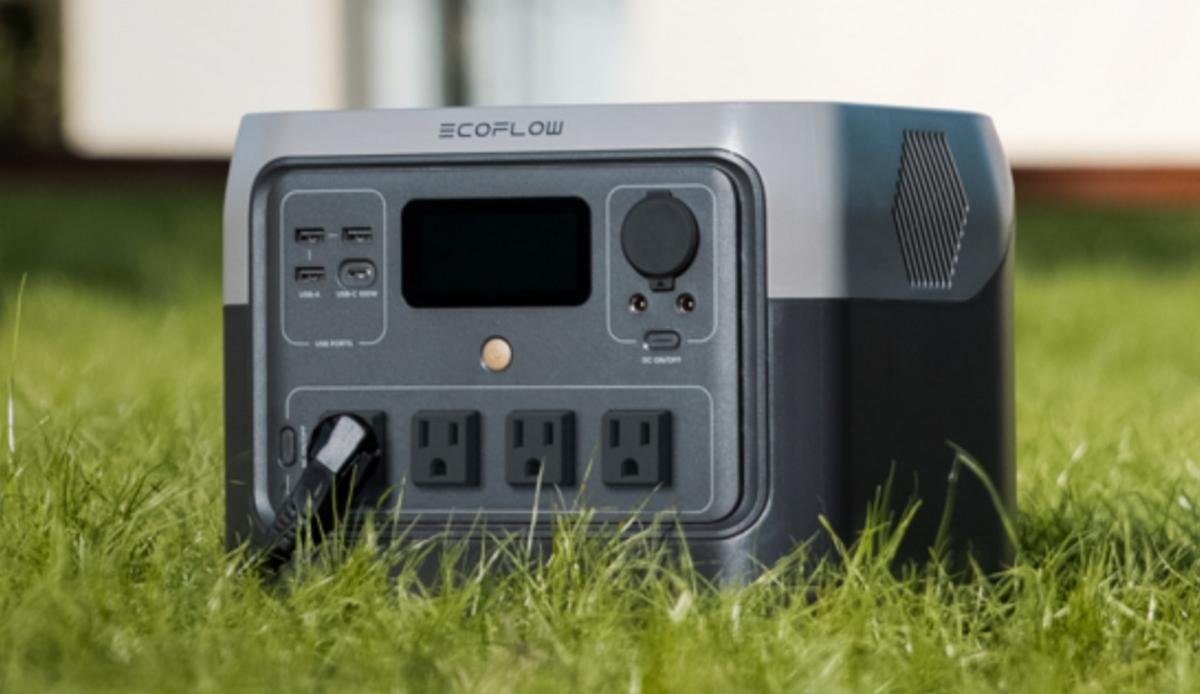
Hitting the open road in your RV offers unparalleled freedom, but the constant hunt for shore power can often put a damper on your adventures. Imagine powering your entire rig—from the coffee maker to the AC—with clean, quiet, and renewable energy, no matter how far off the grid you roam. That's the promise of top-rated solar generators for RVs, and in this comprehensive guide, we're diving deep into the reviews and comparisons to help you choose your ideal power companion.
Whether you're a weekend warrior, a full-time RVer, or prepping for emergencies, selecting the right solar generator can be a game-changer. It's about more than just electricity; it's about untethered exploration and peace of mind.
At a Glance: Your RV Power Upgrade Checklist
- What is it? A portable battery pack, charged by solar panels or other sources, that powers your devices and appliances.
- Why for RVs? Provides silent, emissions-free power for boondocking, extends your adventures, and offers emergency backup.
- Key Specs to Watch:
- Watt-hours (Wh): How much energy it stores (capacity). More Wh = longer runtime.
- Running Watts: The continuous power it can deliver.
- Surge Watts: The temporary power boost for starting motors (like fridges).
- Battery Type: LiFePO4 (lithium iron phosphate) offers longer lifespan and better safety than traditional lithium-ion.
- Top Considerations: Your specific power needs, output ports, expandability, weight, charging speed, and durability.
- Don't Forget: Solar panel compatibility, robust warranty, and proper maintenance for a long-lasting investment.
Why Go Solar for Your RV? (Beyond Just Green Energy)
The allure of solar power for RVs extends far beyond environmental consciousness. For many, it's about unlocking true freedom on the road. Traditional generators are noisy, require fossil fuels, and produce emissions—hardly ideal for a tranquil wilderness campsite. Solar generators, on the other hand, offer a silent, fume-free alternative, allowing you to enjoy nature without disruption. They provide a reliable source of power for all your creature comforts, from running your laptop for remote work to keeping your refrigerator cold and your lights on, even when you're miles from the nearest outlet.
Think of it as your portable power plant, giving you the flexibility to camp anywhere, anytime, without compromising on convenience. It's an investment in sustainable travel and expanded possibilities for your RV lifestyle. For a deeper dive into everything solar for your mobile abode, be sure to check out Your RV solar generator guide.
Decoding Solar Generator Jargon: What You Need to Know
Before diving into specific models, understanding a few key terms will empower you to make an informed decision. These aren't just technical specs; they're the core indicators of a generator's capability and suitability for your RV needs.
Rated vs. Surge Watts: Powering Your Appliances
- Rated Watts (Running Wattage): This is the continuous electricity an appliance needs to operate once it's up and running. Your coffee maker, for example, might consistently draw 1000W while brewing.
- Surge Watts (Starting Wattage): Many appliances with electric motors (like refrigerators, air conditioners, or power tools) require a quick burst of extra power—a "surge"—for 2-3 seconds to kickstart. A generator's surge rating tells you if it can handle these initial demands. Always ensure your generator's surge watts exceed the highest starting wattage of any single appliance you plan to use.
Capacity (Watt-hours - Wh): How Much Power Can It Store?
This is perhaps the most crucial number: Watt-hours (Wh). It measures the total amount of energy a generator can store. Think of it like the size of your RV's fuel tank. One watt-hour means 1 watt of power flowing for one hour.
- Higher Wh capacity generally means:
- Longer runtime for your devices before needing a recharge.
- Higher cost.
- Potentially more weight.
To estimate your needs, list all the devices you want to power, find their wattage, and multiply by the hours you expect to use them. Sum these up to get a rough idea of your daily Wh consumption.
Battery Types: The Heart of Your Generator
While most portable power stations historically used lithium-ion batteries, a superior technology has become prevalent:
- LiFePO4 (Lithium Iron Phosphate) Batteries: These are the gold standard for modern solar generators, especially for RV use. They offer:
- Much Longer Lifespan: Typically 3,000 to 6,000+ charge cycles before degrading to 80% capacity, compared to 500-1000 for older lithium-ion. This translates to years, often decades, of reliable use.
- Enhanced Safety: LiFePO4 chemistry is more stable and less prone to thermal runaway (overheating or combustion).
- Faster Charging: Many LiFePO4 units can handle higher charging rates, meaning less downtime.
- Better Performance in Cold: While still impacted by extreme cold, they generally perform better than other lithium chemistries at lower temperatures.
- The Trade-off: They can be slightly heavier than traditional lithium-ion for the same capacity, but the benefits often outweigh this.
Choosing Your RV's Perfect Power Partner: Key Considerations
Selecting the ideal solar generator isn't a one-size-fits-all decision. It requires a thoughtful assessment of your specific RVing style, power demands, and budget. Here’s a breakdown of the critical factors to weigh:
Understanding Your Power Needs: How Much Juice Do You Really Need?
This is the starting point. Don't just guess; calculate. List every appliance you want to power, from your phone charger to your microwave, and note its running wattage and surge wattage.
- Small Capacity (Under 1000Wh): Perfect for minimalistic RVers or supplementing an existing system. Think charging laptops, phones, running LED lights, a small fan, or a portable TV. Great for car camping or short trips.
- Medium Capacity (1000-2000Wh): These units can often power an entire RV occasionally, especially if you're mindful of consumption. They frequently feature a 30A AC output, which can directly plug into most smaller RV shore power inlets. Expect to recharge more frequently if running high-draw appliances.
- High Capacity (2000+Wh): Designed for serious boondocking and successfully powering an entire RV, including microwaves, air conditioners (for short bursts), and even small water heaters. Many in this category can be expanded with external battery systems for even longer off-grid stays.
Output Ports: The Connectivity You Crave
A generator is only as useful as its ability to connect to your devices. Ensure it provides a variety and sufficient number of ports:
- AC Outlets (15A and 30A): Standard household outlets (15A) are crucial. A 30A AC output is a significant feature for RVers, allowing direct connection to your RV's main electrical system, powering everything inside (within the generator's limits).
- USB-A and USB-C Ports: Essential for charging modern electronics like phones, tablets, laptops, and cameras. Look for fast-charging USB-C PD (Power Delivery) ports.
- 12V Automobile Auxiliary Power Plugs: Often called "cigarette lighter" ports, these are useful for 12V appliances designed for vehicle use.
Expandability: Grow with Your Adventures
Your power needs might evolve. Many top-tier solar generators offer expandability, allowing you to connect additional battery packs to increase the total Watt-hour capacity. This means you can start with a core unit and add more power as your adventures (or appliances) grow. It's a fantastic feature for long-term flexibility.
Portability: Wheels, Handles, and Weight
For RV use, portability is paramount. You'll be moving this generator around, storing it, and potentially even taking it out for setup.
- Weight: Most solar generators designed for RVs range from 30-60 pounds, though some compact units can be as light as 24 lbs, and high-capacity behemoths can hit 100 lbs or more.
- Physical Size: Consider where you'll store it in your RV.
- Features: Look for sturdy, built-in handles, and for heavier units, integrated wheels or even telescoping handles, which make a world of difference.
Charging Speed & Options: Fast Power, Multiple Ways
Nobody wants to wait days for their generator to recharge. Look for:
- Fast AC Charging: Many modern units can charge from a wall outlet (110V AC) from 0% to 80% or even 100% in a matter of 1-3 hours.
- Solar Charging: This is key for off-grid RVing. Check the maximum solar input wattage (e.g., 1000W, 1200W). Higher input means faster charging, especially on sunny days.
- 12V Auto Adapter: A slower charging option, but useful for topping up while driving.
- USB-C (PD): Some smaller units can be charged via high-wattage USB-C power delivery.
- EV Hookups: A cutting-edge feature on some units that allows for extremely rapid charging at electric vehicle charging stations (may require separate adapters).
Solar Panel Compatibility: Matching Your System
If you're buying panels separately, ensure they are compatible with your chosen generator. Check the voltage range, connector type (often MC4), and maximum input wattage. Some brands offer bundles with perfectly matched panels, which simplifies the process. Optimal performance comes from matching wattage output and ensuring the panels can deliver enough power to efficiently charge your generator.
Durability: Built for the Open Road
RV life can be rugged. Your solar generator should be too. Look for robust construction, high-quality components, and a design that can withstand vibrations, minor bumps, and outdoor use. While not waterproof, a sturdy build is essential.
Lifespan & Maintenance: Keeping Your Power Flowing
- Lifespan: Modern solar generators (especially those with LiFePO4 batteries) are designed for long life, often 10+ years for the generator itself, with solar panels lasting around 25 years.
- Maintenance:
- Cleaning: Regularly wipe down dust from vents and surfaces.
- Storage: Store in a cool, dry area, avoiding extreme temperatures (both hot and cold) when not in use.
- Battery Care: This is crucial for longevity. Avoid leaving the battery at 0% or 100% charge for extended periods. Do not continuously "float charge" (leaving it plugged in at 100%). Instead, aim to cycle the battery—use 25% of its capacity, then recharge to 50-75% every six months or so if storing for a long time.
Warranty & Returns: Protecting Your Investment
Always check the manufacturer's warranty. A good warranty (3-5 years is common for quality units) provides peace of mind. Be aware that returning or shipping devices with large lithium-ion or LiFePO4 batteries can be challenging due to strict hazardous material regulations, so understanding the return policy upfront is vital.
The Contenders: Top-Rated Solar Generators for RVs Reviewed & Compared
Now that you're armed with the knowledge, let's look at some of the best solar generators currently on the market, each bringing unique strengths to the RVing table.
Bluetti Elite 200 v2 (Best Overall)
The Bluetti Elite 200 v2 strikes an impressive balance between portability, capacity, and sheer performance, making it an excellent all-rounder for most RVers. It's powered by a durable LiFePO4 battery, boasting an incredible lifespan of over 6,000 charge cycles to 80% capacity.
- Capacity: 2,073Wh
- Output: 2,600W running / 3,900W surge
- Charging: Incredibly fast – 1,000W solar and 1,800W wall input, charging 0-full in approximately 90 minutes.
- Ports: 4 AC ports, USB-A, USB-C, 120W car port.
- Note: Lacks a dedicated 30A/50A RV plug, meaning you'll need an adapter or distribution box for full RV integration.
- Why it's great: Superb battery lifespan, rapid charging, and ample power for most RV appliances (excluding heavy-duty AC for extended periods).
EcoFlow Delta 3 Ultra Plus (Best High-Capacity for Whole RV Power)
For those who demand serious power to run their entire RV with confidence, the EcoFlow Delta 3 Ultra Plus steps up. It's built to handle substantial loads and offers robust expansion capabilities.
- Capacity: 3,072Wh (standalone)
- Output: 3,600W running (4,600W X-Boost) / 7,200W surge
- Charging: Six options, with rapid charging as fast as 89 minutes. Features a unique Storm Guard Mode for unpredictable weather.
- Ports: Includes a crucial 30A outlet for direct RV plug-in, multiple AC, USB, and 12V ports.
- Portability: Features handy telescoping wheels to manage its substantial weight.
- Why it's great: Massive power output, direct RV plug-in, and ultra-fast charging make it ideal for powering an entire RV, even demanding appliances.
Anker 767 (Best for Frequent Use & Durability)
The Anker 767 is built like a tank for the long haul, designed for RVers who demand consistent, reliable power day in and day out. Its LiFePO4 batteries are engineered for exceptional durability.
- Capacity: 2,048Wh
- Output: 2,400W running
- Battery Lifespan: >3,000 cycles to 80% health.
- Charging: AC charging from 0 to >80% in under 30 minutes, full in around 2 hours.
- Ports: Multiple AC, RV, USB-A, USB-C, and car outlets, including a direct RV plug.
- Portability: Weighs 67.3 pounds but features built-in wheels and an extendable handle.
- Why it's great: Extreme durability, very fast charging, and integrated RV plug make it a dependable workhorse for full-time or frequent RVers.
Jackery Explorer 2000 Plus (Still a Great All-Around Choice)
Jackery remains a popular name in portable power, and the Explorer 2000 Plus continues that legacy with its blend of capacity and user-friendly features.
- Capacity: 2,000Wh (expandable)
- Output: Up to 6,000W (peak)
- Battery Lifespan: LiFePO4, rated for 4,000 cycles to 70% battery health.
- Portability: Weighs 61 pounds but includes integrated wheels and a handle for easier transport.
- Why it's great: Reliable LiFePO4 battery, expandability, and built-in portability features make it a solid choice for a variety of RV needs.
Anker Solix C800 Plus (Best for Car Camping & Compact RVs)
If space and weight are at a premium, or if your power needs are more modest (think smaller vans or weekend trips), the Anker Solix C800 Plus offers excellent performance in a compact form factor.
- Capacity: 768Wh
- Output: 1,200W
- Size: Shoebox size, weighing only 24 pounds.
- Charging: Can charge in approximately 3 hours with a 300W solar panel.
- Unique Feature: Integrated magnetic lantern for added utility.
- Why it's great: Extremely portable, compact, and perfectly suited for charging essentials and smaller appliances without taking up much space.
EcoFlow Delta 2 Max (Fastest Charging in its Class)
For those who prioritize getting back to full power as quickly as possible, the EcoFlow Delta 2 Max is a standout. Its charging speed is simply remarkable.
- Capacity: 2,048Wh (expandable up to 6kWh)
- Charging: Achieves 80% charge in a stunning 43 minutes with 1000W solar, or just 1.1 hours via a wall outlet.
- Ports: Features six AC outlets.
- Portability: Weighs 51 pounds with chunky, comfortable handles.
- Why it's great: Unmatched charging speed, good capacity, and expandability make it ideal for dynamic RVers who are frequently on the move and have limited charging windows.
DJI Power 2000 (Best for Lots of Ports & Connectivity)
Known for their drones, DJI brings its engineering prowess to portable power with the Power 2000, offering an exceptional array of connectivity options.
- Capacity: 2,048Wh
- Output: 3,000W running wattage
- Ports: A whopping 4 AC, 4 USB-A, 4 USB-C, and a 30A plug for direct RV connection.
- Battery Lifespan: 80% after 4,000 cycles.
- Why it's great: If you have numerous devices and appliances that need power simultaneously, this unit's extensive port selection and direct RV plug are a major advantage.
Bluetti Pioneer Na (Best for Extreme Cold Climates)
RVing in winter or high altitudes? The Bluetti Pioneer Na offers groundbreaking performance in frigid temperatures where other generators struggle.
- Battery Type: The first sodium-ion solar power generator.
- Performance in Cold: Operates at temperatures as low as -13°F (discharge) and can be stored at -20°F.
- Capacity: 900Wh
- Output: 1,500W
- Charging: 0-full in as few as 45 minutes.
- Why it's great: A niche but invaluable option for those needing reliable power in sub-freezing conditions, a common challenge for standard lithium batteries.
Jackery Explorer 300 (Best Budget & Ultra-Portable Option)
For RVers on a tighter budget, or those who simply need basic power for smaller devices, the Jackery Explorer 300 provides an excellent entry point into solar-powered freedom.
- Capacity: 293Wh
- Portability: Compact (7 pounds) and very easy to carry.
- Use Case: Suitable for charging phones, cameras, laptops, or running a mini-fridge for a few hours.
- Why it's great: Affordable, lightweight, and incredibly portable for short trips or powering personal electronics.
Other Notable Mentions (Based on Specific Use Cases):
- Goal Zero Yeti 1000 Core (Good for Van-Living): Known for Yeti's robust build quality and reliability, offering 1000Wh capacity and respectable charging capabilities. A solid, durable choice for smaller rigs or van conversions.
- Bluetti Apex 300 (Best for Off-Grid Living): Features huge expandability and a powerful dual 1,200W solar input capacity for truly reliable off-grid power. This unit is very heavy but built for long-term self-sufficiency.
- Jackery HomePower 3000 (Best for Home Backup & RV): Incorporates ZeroDrain technology to ensure the battery holds its charge during storage, making it reliable for power outages and extended RV storage. Offers an improved size-to-capacity-to-performance ratio.
Beyond the Box: Maximizing Your RV Solar Generator Experience
Purchasing a top-rated solar generator is just the first step. To truly harness its power and extend its lifespan, consider these practices:
Optimal Solar Panel Setup
- Angle for Success: Always angle your solar panels directly towards the sun. Even a slight angle off-kilter can significantly reduce charging efficiency. Adjust them throughout the day if possible.
- Avoid Shade: Even a small shadow cast by a tree branch or roof vent can drastically reduce your panel's output. Position them in full, unobstructed sunlight.
- Cleanliness: Regularly wipe down your solar panels. Dust, pollen, and grime can build up and reduce their ability to capture sunlight.
Smart Power Management
- Prioritize: Decide which appliances are essential and which can wait. Use high-draw appliances (microwaves, hair dryers) sparingly or during peak sun hours when your panels are generating the most power.
- LED Everything: If you haven't already, switch all your RV's lighting to LED. They consume a fraction of the power of incandescent bulbs.
- Efficient Appliances: When replacing appliances, look for energy-efficient models. A 12V RV-specific refrigerator, for example, is far more efficient than a standard residential fridge run through an inverter.
Common Misconceptions Addressed
- "Solar generators are only for emergencies." While excellent for emergencies, their primary benefit for RVers is enabling off-grid living and reducing reliance on noisy, fuel-guzzling alternatives. They are everyday power tools.
- "They can power everything forever." Solar generators have a finite capacity. While large units can power many appliances, you'll still need to manage your consumption and recharge, especially during cloudy weather.
- "All solar panels work with all generators." Not true. Always check voltage, wattage, and connector compatibility between your generator and solar panels. Mismatched components can lead to inefficient charging or damage.
Your Next Steps to RV Power Freedom
Choosing the right solar generator for your RV can dramatically enhance your travel experiences, offering unmatched freedom and convenience. By carefully considering your power needs, understanding the key specifications, and evaluating the top-rated models, you're well on your way to silent, sustainable power wherever the road takes you.
Take the time to assess your unique RV lifestyle—are you a weekend camper, a full-timer, or an emergency preparedness enthusiast? Your answer will guide you toward the perfect capacity and feature set. Once you've made your choice, remember that proper setup, maintenance, and smart power management will ensure your investment serves you reliably for years to come. Embrace the open road, powered by the sun!